

The Allure of Chance: What Draws Us to Gambling?
The psychology behind gambling taps into fundamental human emotions and desires, primarily the allure of chance. Many individuals are irresistibly drawn to the thrill of risking something valuable for a potentially greater reward. In this context, engaging in real money online poker can amplify this experience, as players often seek out platforms that heighten their excitement. The adrenaline rush associated with winning, however small the victory, can be exhilarating, prompting players to return in search of that exhilarating high.
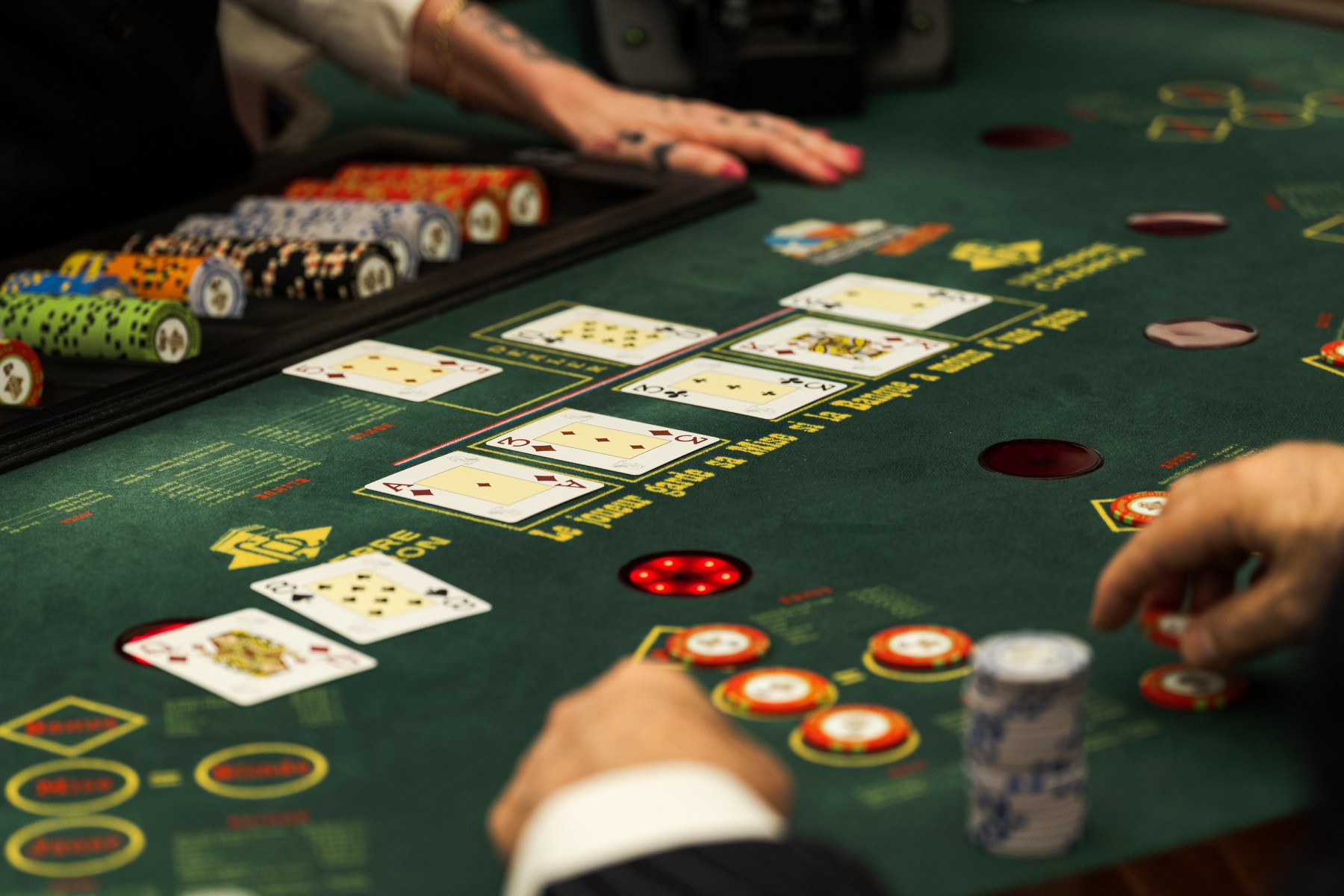
Moreover, the prospect of winning capitalizes on our innate human desire for success and fortune. Gamblers often envision themselves hitting the jackpot, leading to fantasies of wealth and lifestyle changes. This mental image serves as a powerful motivator, encouraging individuals to engage in gambling activities despite the odds being stacked against them.
The Role of Rewards in Gambling Psychology
Another critical aspect of gambling psychology lies in the reward mechanisms at play. Games like slot machines are designed to deliver frequent, small wins, which can condition players to keep playing. This concept is rooted in the psychological principle known as “variable reinforcement,” where unpredictable rewards create a compelling loop, making players more likely to continue gambling in hopes of a big payout.
The structure of rewards can also trigger dopamine release in the brain, akin to the reactions seen with various addictive behaviors. This release is associated with pleasure and reinforces the gambling behavior, making players more susceptible to repeat their betting actions, often beyond their original intention or budget.
The Social Dynamics of Gambling
Gambling is not just an individual pursuit; it often encompasses social elements that enhance its appeal. Many people enjoy the communal aspects of visiting a casino or participating in group bets, fostering a sense of camaraderie among players. This social interaction can amplify the enjoyment of the game, as players share experiences, celebrate victories, and commiserate over losses together.
Additionally, social dynamics can influence gambling behaviors. Peer pressure or the desire to fit in may drive some individuals to gamble more than they ordinarily would. The atmosphere of a casino, with its vibrant energy and shared excitement, creates an environment where individuals feel part of a larger community, further encouraging their participation.
The Psychological Risks of Gambling
While gambling can provide entertainment and excitement, it also carries significant psychological risks. For some individuals, the thrill of gambling can develop into a compulsive behavior, leading to gambling addiction. This addiction can manifest in various ways, including financial problems, emotional distress, and strained relationships.
Understanding these risks is crucial for both players and those around them. It is essential to establish boundaries and recognize when gambling moves beyond a fun pastime into a harmful habit. Implementing strategies for responsible gambling can help mitigate these dangers, allowing individuals to enjoy the thrill of the game without succumbing to its darker facets.

Ensuring Safe Gambling Environments
In the modern digital landscape, ensuring a safe and secure gambling environment is paramount. Websites dedicated to gaming often incorporate robust security measures to protect users from potential online threats. This commitment to safety is essential for fostering trust among users as they engage with gambling platforms, whether online or in-person.
Furthermore, many gambling websites provide resources and support for responsible gaming. Users are encouraged to seek help if they feel their gambling habits may be becoming problematic. By prioritizing security and user support, these platforms aim to create a balanced and enjoyable gambling experience while addressing the psychological complexities inherent in the activity.
